How to Improve Classroom Interaction
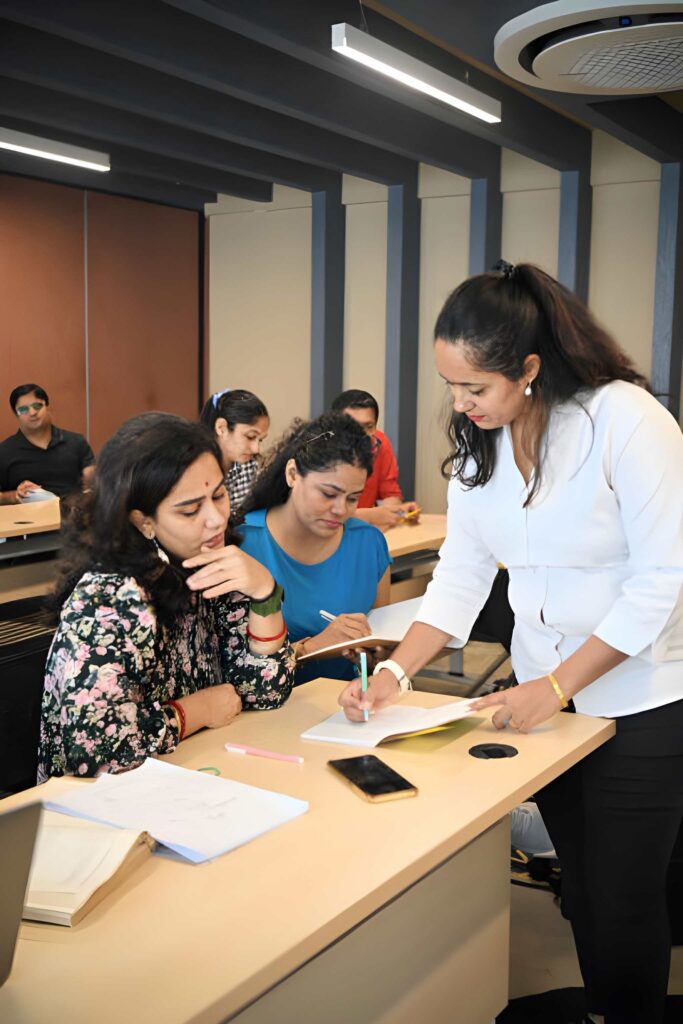
Classroom interaction is at the heart of effective teaching and learning. When students actively participate, ask questions, collaborate, and respond Hubet to feedback, they become more engaged and confident learners. A classroom with strong interaction is not simply louder or busier; it is a space where students feel safe to share ideas, think critically, and learn from one another.
Improving classroom interaction requires intentional planning, clear communication, and the use of varied teaching strategies. Whether you teach young learners, teenagers, or adults, the following practical methods can help create a more dynamic and student-centered classroom.
Why Classroom Interaction Matters
Classroom interaction improves learning because it encourages students to process information actively rather than passively receiving it. When learners discuss topics, explain their thinking, and listen to classmates, they develop stronger communication and problem-solving skills.
Interactive classrooms also help teachers assess understanding in real time. Instead of waiting for a test or assignment, teachers can identify confusion during discussions, group work, or quick activities. This allows instruction to be adjusted immediately.
Most importantly, interaction builds motivation. Students are more likely to enjoy lessons when they feel involved and valued. A positive classroom environment can increase participation, reduce anxiety, and support better academic performance.
Create a Safe and Respectful Learning Environment
Students are more willing to interact when they feel safe. If they fear embarrassment or criticism, they may avoid speaking, even when they know the answer. Teachers should establish a classroom culture based on respect, patience, and encouragement.
Set clear expectations for listening and speaking. Remind students that mistakes are part of learning. Praise effort as well as correct answers. Simple phrases such as “That’s an interesting idea” or “Thank you for sharing” can help students feel more comfortable.
It is also important to model respectful behavior. When teachers listen carefully, respond positively, and treat every contribution seriously, students learn to do the same with their classmates.
Use Open-Ended Questions
One of the best ways to improve classroom interaction is to ask open-ended questions. These questions require more than a simple “yes” or “no” answer and encourage deeper thinking.
For example, instead of asking, “Did the character make the right choice?” ask, “Why do you think the character made that choice?” or “What would you have done differently?” Open-ended questions invite students to explain, compare, predict, and evaluate.
Give students enough time to think before answering. Many teachers ask a question and expect an immediate response, but students often need a few seconds to organize their thoughts. Using “wait time” can lead to more thoughtful and confident participation.
Encourage Pair and Group Work
Pair and group activities are powerful tools for increasing classroom interaction. Some students may feel nervous speaking in front of the whole class, but they may be more comfortable sharing ideas with a partner or small group.
Group work allows students to practice communication, teamwork, and leadership skills. It also gives every learner more opportunities to speak. To make group work effective, provide clear instructions and assign roles when needed, such as discussion leader, note-taker, presenter, or timekeeper.
Keep tasks meaningful and structured. Instead of simply saying, “Discuss this topic,” give students a clear goal, such as solving a problem, preparing a short presentation, or listing three arguments for and against an idea.
Include Interactive Teaching Strategies
Interactive teaching strategies make lessons more engaging and memorable. Activities such as think-pair-share, debates, role-plays, quizzes, peer teaching, and classroom games can encourage active learning.
Think-pair-share is especially useful. First, students think about a question individually. Then, they discuss their ideas with a partner. Finally, they share with the class. This strategy gives students time to prepare and increases the quality of responses.
Role-play is another effective method, particularly in language learning, social studies, and real-life problem-solving lessons. It allows students to use knowledge in practical situations and builds confidence in speaking.
Use Technology to Support Interaction
Technology can improve classroom interaction when used purposefully. Digital tools such as online polls, interactive quizzes, discussion boards, and collaborative documents can make participation easier and more inclusive.
For example, students who are shy about speaking aloud may be willing to answer through an online poll or shared document. Teachers can use instant feedback tools to check understanding and start discussions based on student responses.
However, technology should support learning, not distract from it. Choose tools that match the lesson goals and keep instructions simple. The focus should remain on communication, collaboration, and understanding.
Connect Lessons to Real Life
Students interact more when they see the relevance of what they are learning. Real-life examples, current events, personal experiences, and practical problems can make lessons more meaningful.
For instance, a math lesson can include budgeting or shopping examples. A science lesson can connect to environmental issues. A writing lesson can involve creating emails, reviews, or social media-style posts. When students understand how knowledge applies outside the classroom, they are more likely to contribute ideas and ask questions.
Encourage students to bring their own experiences into discussions. This makes learning more personal and helps students connect new information with what they already know.
Give Constructive Feedback
Feedback plays an important role in improving classroom interaction. Students need to know that their contributions matter, even when their answers are not perfect. Constructive feedback helps them improve without discouraging participation.
Instead of simply saying “wrong,” try asking guiding questions such as, “Can you explain your thinking?” or “Is there another way to look at this?” This keeps the conversation going and encourages students to reflect.
Positive feedback also matters. Recognize good questions, creative ideas, teamwork, and improvement. When students feel noticed, they are more likely to participate again.
Balance Teacher Talk and Student Talk
In many classrooms, teachers do most of the talking. While explanation is necessary, too much teacher talk can limit student interaction. Aim to create more opportunities for students to speak, ask, discuss, and demonstrate understanding.
Plan moments in each lesson where students must actively participate. This might include a quick question, a partner discussion, a group task, or a short reflection. Even small changes can make a big difference over time.
A student-centered classroom does not mean the teacher becomes less important. Instead, the teacher becomes a guide who supports learning through questions, activities, and feedback.
Conclusion
Improving classroom interaction takes time, consistency, and thoughtful planning. By creating a respectful environment, asking open-ended questions, using group work, applying interactive strategies, and connecting lessons to real life, teachers can make learning more active and meaningful.
Strong classroom interaction helps students become Baccarat là gì? confident communicators, critical thinkers, and engaged learners. When students feel heard and involved, the classroom becomes a place where everyone can participate, grow, and succeed.